


How Routine Eye Exams Detect Common Eye Conditions Early
How Routine Eye Exams Detect Common Eye Conditions Early
Most common eye diseases have no early symptoms. You could be seeing perfectly while something serious is brewing. The only way to know for sure? Regular eye exams. They spot trouble long before you ever would.
What Happens During a Comprehensive Eye Exam?
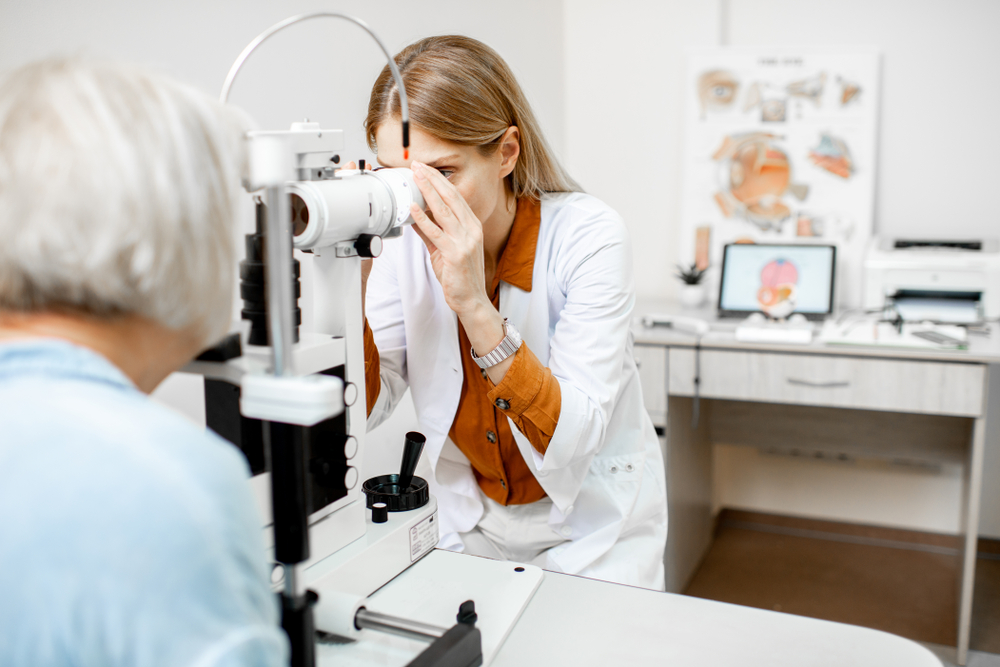
Here, your eye doctor will put drops in your eyes to make your pupils bigger, so they can see the back of your eye clearly. This helps them check your retina, optic nerve, and blood vessels. They might spot small changes that could lead to problems later. Sometimes, they even find signs of other health issues like high blood pressure or diabetes.
Common Eye Conditions Detected Early
- Cataracts
Cataracts form when your eye’s lens slowly becomes cloudy, often with no warning signs at first. An eye exam can spot them long before your vision blurs, giving you time to plan and treat while you still see clearly.
- Diabetic Retinopathy
The good news about diabetic retinopathy? It is one of the most preventable causes of blindness. Yes, it damages retinal blood vessels and affects millions of people. Yes, it often has no early symptoms. But a simple dilated eye exam can detect it early. Early treatment can prevent or delay blindness in 90% of people with diabetes. That is a number worth paying attention to.
- Glaucoma
Glaucoma is not one single condition; it is a group of eye diseases that all harm the optic nerve. It often starts with a loss of peripheral vision, but you might not notice until significant damage has occurred. Regular exams check your eye pressure and optic nerve, helping detect glaucoma early before vision loss becomes permanent.
- Age-Related Macular Degeneration
AMD slowly damages the light-sensitive tissue in your macula, which is the part of your retina that controls central vision. At first, you might not notice any changes. But your eye doctor can see small yellow spots called drusen under the retina, which are early signs of AMD. Finding it early means you can take steps to slow it down.
- Amblyopia in Children
Amblyopia, also known as lazy eye, happens when the eye and brain do not work together as they should. It is the most common cause of vision loss in children, affecting two to three out of every 100 kids. If found early, it can often be treated. That is why experts say children should have at least one eye exam between the ages of three and five.
How Often Should You Get an Exam?
How often should you get your eyes checked? It depends. Kids should have regular exams, particularly between the ages of three and five. If you have diabetes, make it a yearly thing. And if you are at higher risk for glaucoma, every two years is the goal. That means Black Americans over forty, anyone over sixty, and people with glaucoma in the family.
Signs You Should Not Ignore
Sometimes, symptoms show up suddenly, and waiting for your next regular exam is not a good idea. See your eye doctor right away if you notice vision loss, eye pain, double vision, or new floaters. Flashes of light, redness, or drainage also need quick attention. These could be signs of a serious problem that needs immediate care.
To learn more about common eye conditions that can be found early, visit Manheim Family Eye Care. We are located in Manheim, Pennsylvania. Call (717) 423-8400 to make an appointment.
https://www.cdc.gov/vision-health/about-eye-disorders/why-eye-exams-are-important.html
https://www.aao.org/eye-health/tips-prevention/surprising-health-conditions-eye-exam-detects


Get in Touch
Contact Info
- Monday9:00 AM - 5:00 PM
- Tuesday9:00 AM - 6:00 PM
- Wednesday9:00 AM - 6:00 PM
- Thursday9:00 AM - 4:00 PM
- FridayClosed
- SaturdayClosed
- SundayClosed
2026 Manheim Family Eye Care. All Rights Reserved.
Privacy Policy - Sitemap - Accessibility Statement
Privacy Policy - Sitemap - Accessibility Statement
Powered by: 