


Seasonal Allergies or Dry Eye? How to Tell the Difference
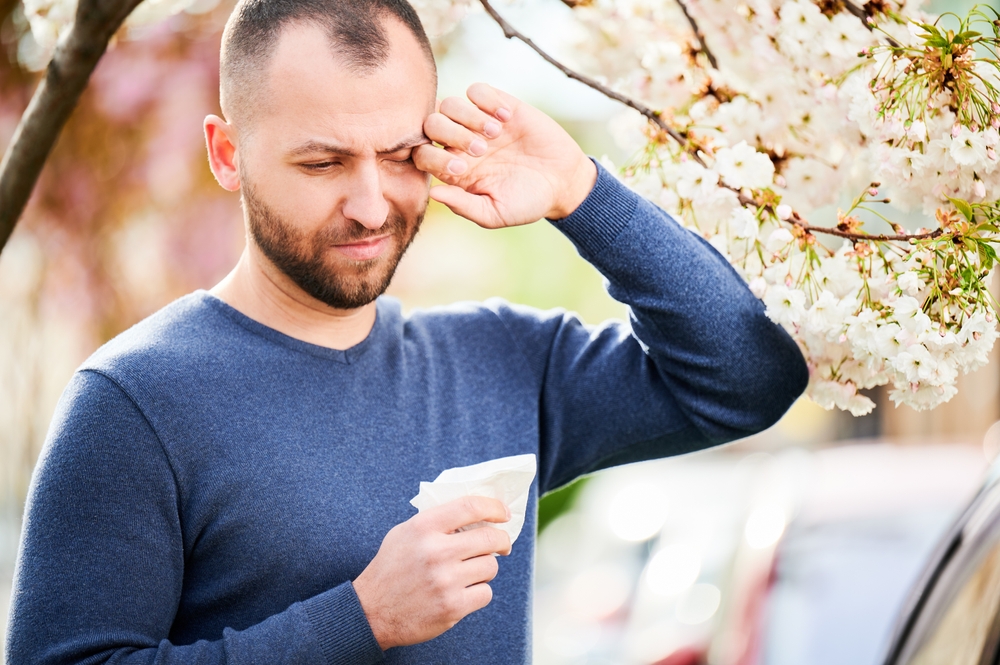
Eye irritation is a common complaint, especially during seasonal changes. However, not all eye discomfort is caused by allergies. Dry eye disease can produce many of the same symptoms, making it difficult to tell the difference without a professional evaluation. Understanding what’s behind your symptoms can help you find the most effective solution.
What Are Seasonal Allergies and How Do They Affect Your Eyes?
Seasonal allergies occur when your immune system overreacts to airborne allergens like pollen, grass, or mold spores. When these allergens come into contact with your eyes, they can trigger inflammation and irritation.
Common eye-related allergy symptoms include:
Itchy eyes
Redness
Watery or teary eyes
Swollen eyelids
Burning or stinging sensations
Allergy-related eye symptoms often appear suddenly, worsen outdoors, and may coincide with sneezing, congestion, or a runny nose. Rubbing itchy eyes can make symptoms worse and increase inflammation.
What Is Dry Eye?
Dry eye disease is a chronic condition that occurs when your eyes don’t produce enough tears or when tears evaporate too quickly. Healthy tears are essential for keeping the eyes comfortable, clear, and protected.
Dry eye symptoms may include:
Dryness or grittiness
Burning or stinging
Fluctuating or blurry vision
Eye fatigue
Redness
A feeling that something is in your eye
Unlike allergies, dry eye symptoms tend to persist year-round and may worsen with screen use, contact lenses, air conditioning, heating, or aging.
Key Differences Between Seasonal Allergies and Dry Eye
Although the symptoms can overlap, there are important distinctions:
Itching: Strong itching is a hallmark of allergies, while dry eye typically causes burning or irritation rather than itching.
Tearing: Allergies often cause excessive tearing, whereas dry eye may cause watery eyes as a reflex response to dryness.
Timing: Allergy symptoms are often seasonal and triggered by environmental exposure. Dry eye symptoms are usually ongoing.
Triggers: Allergies worsen outdoors or during high pollen counts, while dry eye worsens with prolonged screen time or dry environments.
Because symptoms can mimic one another, self-diagnosing can be misleading - and may delay effective treatment.
Why You Should See an Eye Doctor
Accurately distinguishing between seasonal allergies and dry eye requires a comprehensive eye examination. Our eye doctor can evaluate your tear quality, eyelid health, and ocular surface to determine the true cause of your symptoms.
Proper diagnosis matters because:
Allergy treatments may worsen dry eye if used incorrectly
Dry eye treatments won’t relieve allergy-driven inflammation
Many patients experience both conditions at the same time
With an accurate diagnosis, your eye doctor can create a personalized treatment plan that may include prescription eye drops, advanced dry eye therapies, lifestyle recommendations, or allergy management strategies - ensuring faster relief and healthier eyes.
Ready to Find Real Relief?
If your eyes are uncomfortable, itchy, or irritated, guessing the cause can lead to ongoing symptoms and unnecessary discomfort. A professional eye evaluation is the most effective way to identify the root of the problem and get the right treatment.
Not sure if it’s allergies or dry eye? Schedule an eye exam at Manheim Family Eye Care to get answers, personalized treatment, and long-term comfort. Visit our office in Manheim, Pennsylvania, or call (717) 423-8400 to book an appointment today.


Get in Touch
Contact Info
- Monday9:00 AM - 5:00 PM
- Tuesday9:00 AM - 6:00 PM
- Wednesday9:00 AM - 6:00 PM
- Thursday9:00 AM - 4:00 PM
- FridayClosed
- SaturdayClosed
- SundayClosed
2026 Manheim Family Eye Care. All Rights Reserved.
Privacy Policy - Sitemap - Accessibility Statement
Privacy Policy - Sitemap - Accessibility Statement
Powered by: 